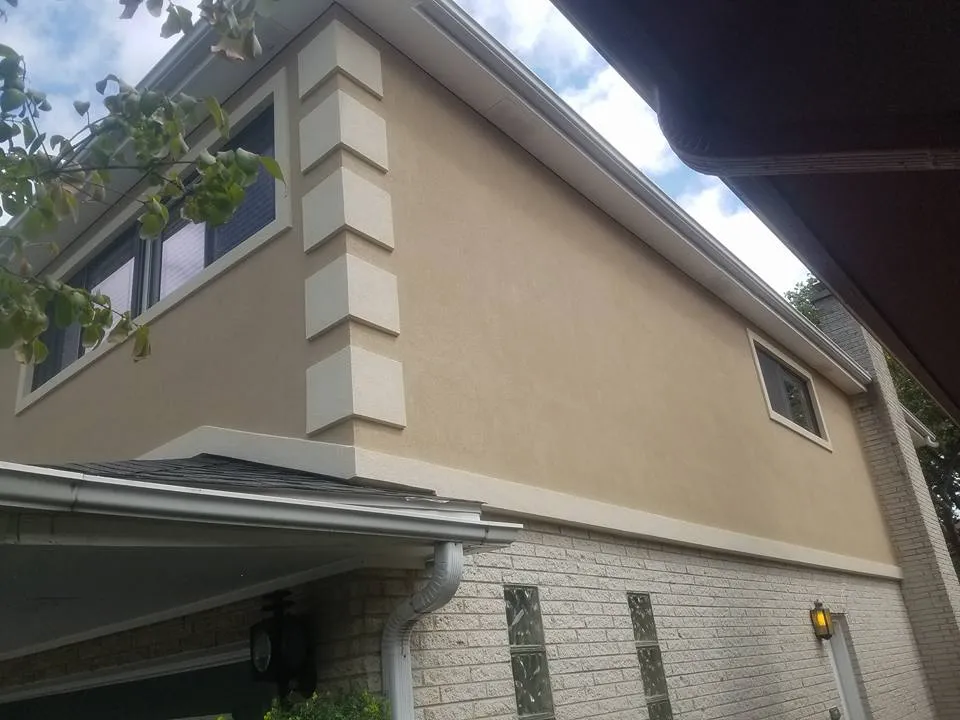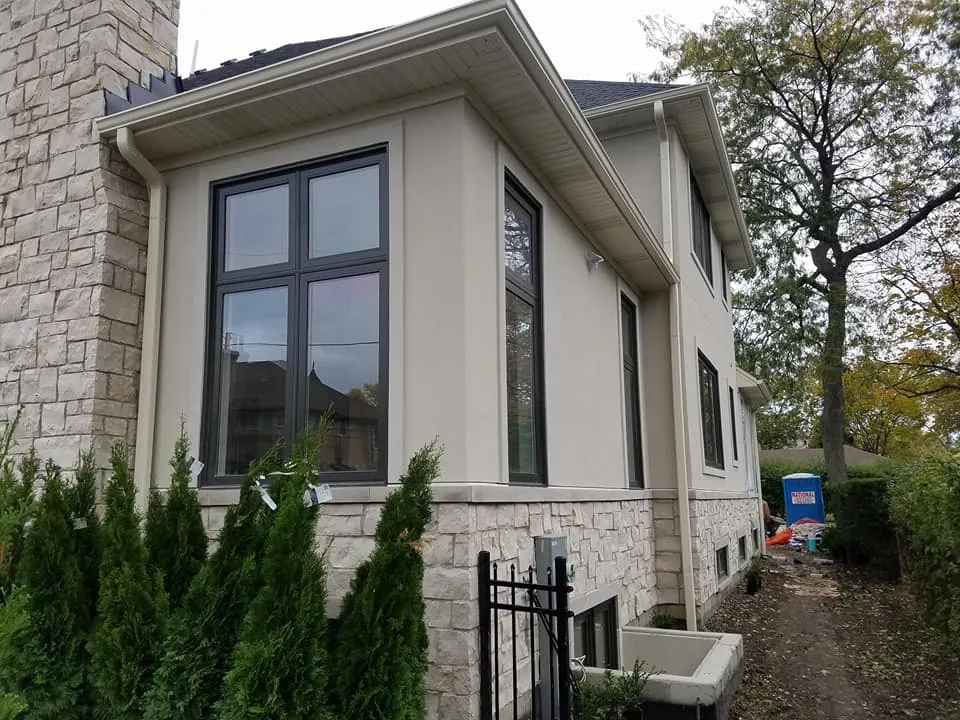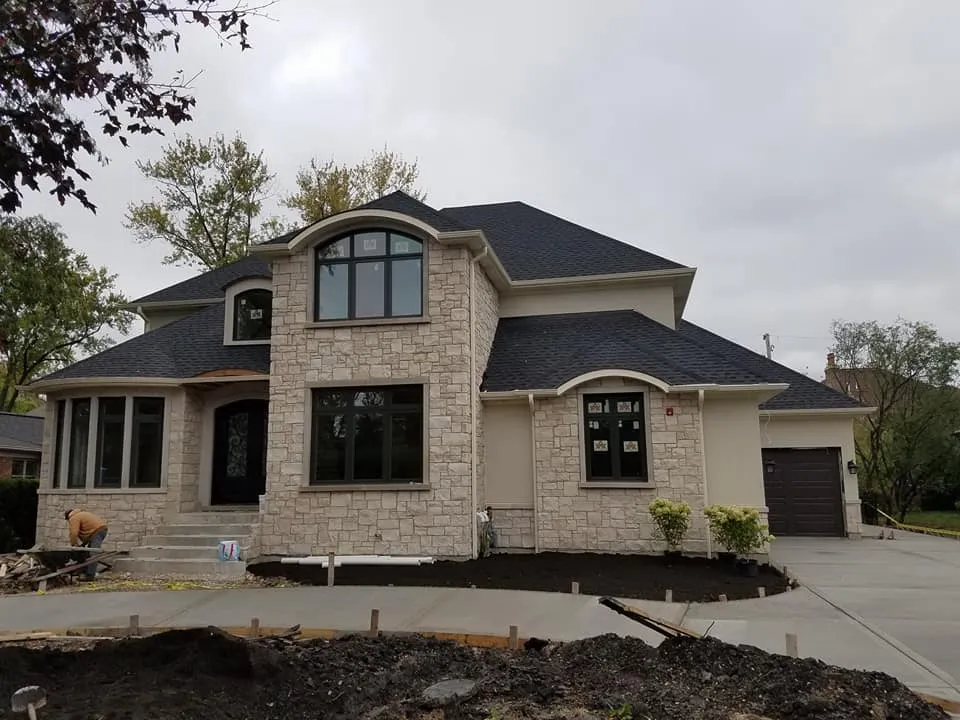
DRYVIT INSTALLATION

HIGH PERFORMANCE INSULATION SYSTEMS

ENGINEERING EFFICIENCY WITH DRYVIT INSTALLATION

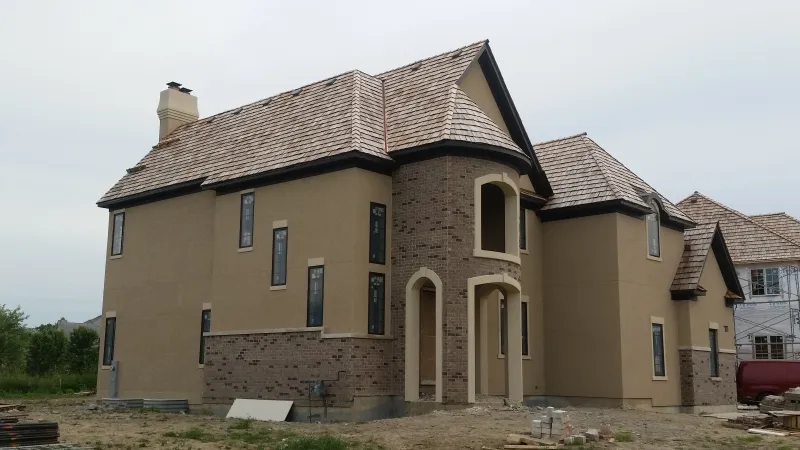
A professional Dryvit installation represents the pinnacle of modern building envelope technology, combining rigid insulation with high-spec synthetic finishes. Unlike traditional systems, Dryvit (EIFS) provides a continuous thermal blanket that effectively eliminates thermal bridging and drastically reduces energy consumption. Our installation process focuses on the critical engineering of the water-managed system, incorporating specialized moisture barriers and precision-cut insulation boards that adapt to any architectural geometry. We prioritize the technical integrity of the multi-layered assembly—from the adhesive base coat to the reinforced mesh and the final weather-resistant finish. By utilizing these advanced synthetic materials, we provide property owners with a lightweight, crack-resistant facade that offers unparalleled design flexibility while maintaining the highest standards of climate control and structural protection.

Mastering Modern Facades

ELITE DRYVIT AND EIFS EXTERIOR SHOWCASE

Efficiency Meets Innovation

MAXIMIZING PERFORMANCE WITH DRYVIT INSULATION SYSTEMS

Elimination of Thermal Bridging

Dryvit provides a seamless "thermal blanket" around your entire structure. Unlike traditional siding, it wraps the building in continuous insulation, effectively eliminating the energy leaks caused by studs and structural framing.

Pressure Equalized Engineering

Modern Dryvit systems are engineered with advanced water-managed technology. Integrated drainage planes ensure that any incidental moisture is channeled away from the substrate, keeping the building core dry and rot-free.

Crack Resistant Synthetic Chemistry

The reinforced base coat&polymer-modified finishes are designed to absorb structural movement and thermal expansion. Prevents surface cracking and delamination common in older systems.

Accelerated Return on Investment

By drastically reducing heating and cooling loads, Dryvit pays for itself through lower utility bills. Its lightweight nature lowers structural needs and project costs.